


Search Engine Optimization for Small Businesses
Search Engine Optimization Basics
"SEO is the active practice of optimizing a web site by improving internal and external aspects in order to increase the traffic the site receives from search engines." - SEOmoz SEO Guide
Rand, your SEO guide explains the various strategies used to help a website rank better. Can you summarize the most common optimization tactics used by top SEO firms today?
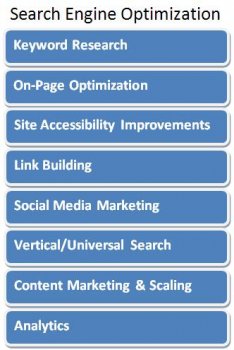
Rand: The raw list of tactics is likely miles long and contains hundreds of thousands of unique ideas. However, I can classify most techniques into one of just a few buckets:
- Keyword research - determining which keywords and phrases are most worthwhile to target by examining the quantity of search volume, the difficulty required to rank and the likely conversion rate of visitors with those keywords. Using metrics for each of these, SEOs can help build a plan for specific targeting of terms worth earning rankings.
- Keyword targeting and on-page optimization - improving the quality and value of content targeting specific keyphrases, including optimizing the user experience, design, load speed, keyword use, meta data (titles + descriptions), etc.
- Site accessibility improvements - ensuring that the site's information architecture and crawl-ability are optimal for both search engines and users (on a wide variety of devices).
- Link building - discovering likely sources for external links and pursuing tactics to acquire them.
- Social media marketing - growing the brand's influence in social communities (Twitter, Facebook, LinkedIn, Google+ and the many niche communities) in order to improve social signals (Likes, +1s, Tweets, etc) and build a wider net for drawing in links, traffic and positive brand awareness/associations.
- Vertical/universal search - creating and optimizing content for vertical search opportunities like local/maps, video, images, shopping, etc.
 This also includes new markup options like rel=author, schema.org, rich snippets and other annotations visible in the results.
- Content marketing and scaling - Growing the depth, breadth, quality and focus of your site's content in order to attract searchers, influencers and sharers so you reach a broader audience, bring in more traffic and generate greater quantities of leads.
- Analytics - designing and implementing systems to measure key indicators of performance and track where/when opportunities exist or mistakes have been made.
These don't represent every component of SEO, but most tactics will likely fit in one or more of these buckets.
Learn more about SEO . . .
Keyword Research Tools & Advice
"Keyword research draws a distinct parallel to traditional market research. Just as successful ad campaigns contain content that appeals to their target demographic, successful websites implement keywords that have the highest relevance and conversion rates." - SEOmoz Keyword Research Guide
Why is keyword research important?
Rand: If your pages target keywords no one's searching for, it won't matter if you rank #1 or #100, the engines won't send you any traffic! Choosing the right keywords to target is like selecting the right location for your store - deserted industrial parks aren't great places for ice cream franchises :-)
In your guide, you recommend a variety of free keyword research tools. Many small business owners don't have a lot of time, so what is the one tool you recommend they use?
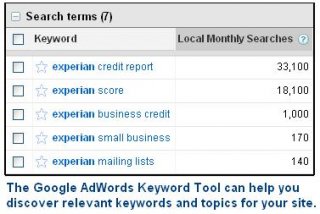
Rand: Start with Google's AdWords Tool - it does 95 percent of what you'll ever need for keyword research.
 When does a business owner know when he/she has done enough keyword research? Or is keyword research never done?
Rand: Until human beings stop changing how they search, keyword research really will never be done. However, building a target list and re-visiting/expanding every three to six months depending on your industry's pace of change and the degree to which you're focusing on SEO is a fine way to go.
Learn more about keyword research . . .
How to Optimize Page Titles & Meta Description Tags
"A title tag is the main text that describes an online document. It is the single most important on-page SEO element (behind overall content) . . . " - SEOmoz Title Tag
What are some best practices for writing page titles?
Rand: Excellent question! I've got a great article on title tag development for you.
Some title tag best practices from the article include:
- Keep title tags under 70 characters
- Put important keywords close to the front of the title tag
- Incorporate your business brand name
There seems to be a debate about the value of the description meta tag for SEO. Google might use them as snippets, but sometimes will algorithmically choose its own snippet based on the search query. How important do you think the meta description tag is in SEO?
Rand: If you have pages that are receiving heavy quantities of search traffic and frequently appear in the search results, I'd work on making the meta description as compelling, unique and useful as possible. I wouldn't, however, generally worry about meta descriptions on every page, particularly those that don't target specific keywords for rankings or aren't receiving much traffic (i.e. the "long tail" of content).
Learn more about optimizing pages . . .
How to Develop Useful Content
Rand, many people have heard that “content is king” in SEO, and in Google’s SEO guide, they write “creating compelling and useful content will likely influence your website more than any other factors …” This can be difficult for some small businesses that don’t feel they have anything really useful or exciting to write about. What are some creative ways you’ve seen “boring” companies develop great content for their site?
Rand: I've never seen an industry, niche or subject of human curiosity (which, after all, is what searching is all about) that didn't have an opportunity for something unique, interesting and relevant. If you're lost on where to start, try searching for forums, Q+A sites, blogs and social media hubs in your niche. There are always hundreds of questions people ask online and hundreds of topics they discuss - those are ripe for unique, quality content development.


