


HubSpot SEO Tools
 TL;DR: Influential search engines like Google have changed their algorithm to favor topic-based content. As a result, SEOs are exploring a new way of linking related content under a "topic clusters" model. This report serves as a tactical primer for marketers responsible for SEO strategies.
While you cheerfully (or apathetically) browse the web, many companies are quietly reconfiguring their webpages in the background. Why? Because competition today to get found in search engine results is intense, and as a result, SEO practices have evolved to a new model being leveraged by many content-focused websites.
SEO is now shifting to a topic cluster model, where a single “pillar” page acts as the main hub of content for a overarching topic and multiple content pages that are related to that same topic link back to the pillar page and to each other. This linking action signals to search engines that the pillar page is an authority on the topic, and over time, the page may rank higher and higher for the topic it covers. The topic cluster model, at its very essence, is a way of organizing a site’s content pages using a cleaner and more deliberate site architecture.Source: Matt Barby
Search Engines Are Forcing SEOs to Adapt
Changing behavior is the primary driver behind the topic cluster approach. But marketers and SEO experts are not going through the tedious process of overhauling their site structure just to get ahead of consumer behavior. They’re being forced to because search engines have changed their algorithms in response to consumers’ behavioral changes.
Years ago, people posed fragmented keyword queries to search engines to find answers to their questions. Nowadays, most are comfortable posing complex questions to a search engine, and they expect an accurate and timely result. Searchers who want a specific answer also use many different phrases in their queries. And now search engines are smart enough to recognize the connections across queries. Algorithms have evolved to the point where they can understand the topical context behind the search intent, tie it back to similar searches they have encountered in the past, and deliver web pages that best answer the query.
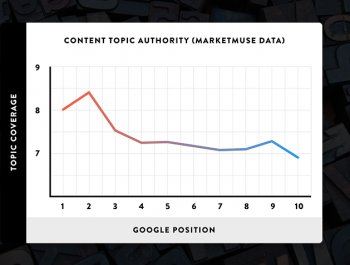 The first big shake-up related to this change occurred with Google's Hummingbird update in 2013. The search algorithm began parsing out phrases rather than focusing solely on keywords. Many SEO professionals see Hummingbird as Google’s official switch from a keyword to a topic focus.
The next major step toward reliance on topics occurred with Google’s RankBrain update. Launched in 2015, RankBrain is Google’s machine learning algorithm designed to understand the context of people’s search queries. It associates past searches with similar themes and pulls multiple keywords and phrases that are associated with the search query to find the best results.
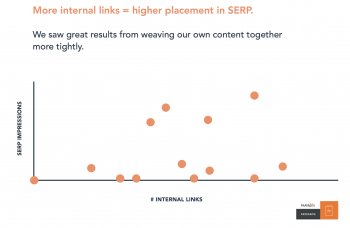
Do Topic Clusters Actually Impact SERPs?In light of these algorithm changes, HubSpot’s Anum Hussain and Cambria Davies launched topic cluster experiments for a select group of topics in 2016. The extensive findings from their initial topic cluster experiments showed that the more interlinking they did, the better the placement in search engine results pages (SERPs). Impressions (or views) also increased with the number of links they created.Source: Anum Hussain and Cambria Davies
What Does This Mean for my Website?
Before the shift to topic clusters, HubSpot’s website structure looked like the image below. The master URL hosts the homepage and links to subdomains or subdirectories. Using HubSpot as an example, you can see the spread of web pages within our blog subdomains. As HubSpot produces more content, blog pages proliferate and the structure becomes spread out and complex, with no uniform linking structure in place.
This setup makes it harder for search engines to crawl through all the pages quickly. Further, HubSpot, and many similar businesses that invest in content, find themselves with dozens of web pages that cover similar topic areas. All these pages end up competing with each other to get found by search engines, and ultimately, the searcher. A more orderly, thoughtful arrangement is needed - one that tells search engines what page should be prioritized and displayed for a main topic and then organizes all the pages related to that topic in one interlinked cluster.
Source: Matt Barby
Topic clusters rearrange the architecture to look more like the image below, where clusters of content that cover a topic area link to a central pillar page that definitively - yet broadly - outlines the topic. By linking all internal content within that topic to a pillar page, search engines such as Google, Bing, or Yandex can easily scan all the content and understand that there is a semantic relationship between the pages' content. The cluster setup also signals to search engines that there is real breadth and depth in the content, which gives the pillar page more authority on the topic. Algorithms like Google’s RankBrain reward this orderly linking with higher search placement.


